Women's Wellness Education
Why Gelatin Is Quietly Becoming Part of Many Women's Daily Routines
From traditional kitchens to modern wellness conversations, gelatin and its natural collagen content are being discussed more often — not as a quick fix, but as a habit worth understanding for what it actually is.
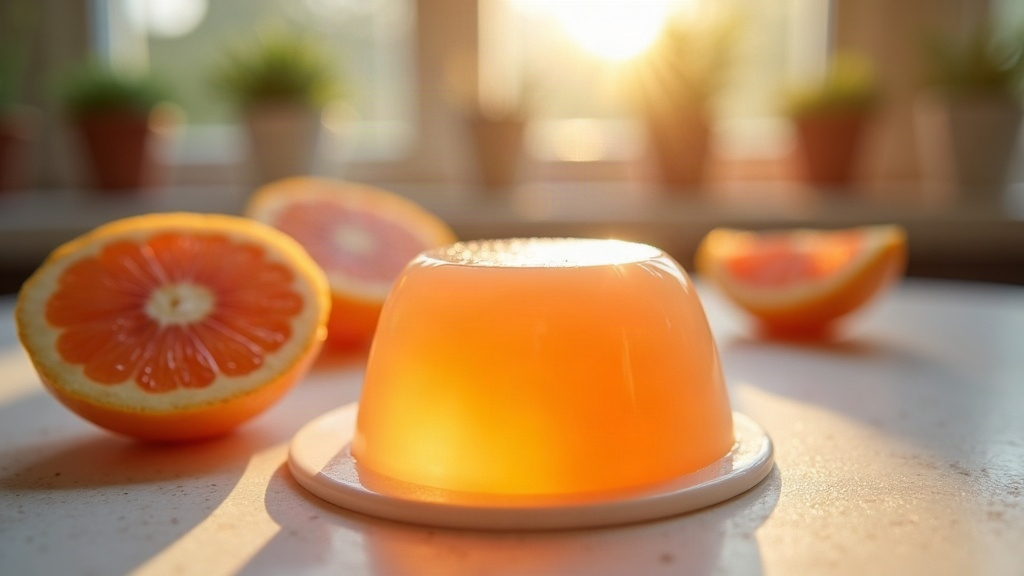
The Body Doesn't Follow the Same Script Every Decade
Somewhere between one birthday and the next, many women notice small shifts — skin that feels different, meals that satisfy less, energy that dips earlier. None of this happens overnight, and none of it is a personal failing. It’s a pattern worth understanding before reacting to it.
Collagen Production Slows Down
Starting in a woman's late twenties, natural collagen synthesis begins a gradual decline, which can affect skin elasticity and joint comfort over the years.
Satiety Signals Shift
Hormonal changes can alter how quickly a woman feels full, making some long-followed eating patterns feel less reliable than they once did.
Lean Mass Naturally Redistributes
Muscle-to-fat ratio tends to shift with age, a normal biological process that wellness conversations are finally addressing more openly.
Traditional Diets Don't Always Adapt
Meal plans designed decades ago rarely account for the nutritional needs of a body that keeps changing well into adulthood.
Metabolism Myths That Refuse to Die
Search any wellness forum and the same recycled claims appear again and again. Separating what’s commonly repeated from what’s actually understood matters more than chasing the next trend.
Metabolism completely stops after 30.
Metabolic rate changes gradually over time and is influenced by many factors — it doesn’t halt at a single birthday.
Cutting all fat and protein speeds everything up.
Adequate protein intake, including collagen-rich sources like gelatin, is frequently discussed in relation to maintaining lean mass over time.
Feeling hungrier than usual means willpower is failing.
Satiety hormones shift naturally with age and cycle changes; understanding them is more useful than blaming discipline.
A Simple Framework Many Women Explore
None of this requires an overhaul. It’s a sequence of small, repeatable steps that make more sense once the earlier context is understood.
Understand the Shift
Recognizing that hunger cues, skin texture, and energy levels change with age is the first step toward responding to them thoughtfully rather than ignoring them.
Adjust Daily Habits Gradually
Some women look at protein sources, hydration, and ingredients like gelatin as part of a broader daily routine rather than a single solution.
Stay Consistent, Not Restrictive
Habits that last tend to be flexible ones. Rigid rules rarely survive contact with real life, real schedules, and real appetites.
A Tradition Older Than Modern Wellness Trends
Long before collagen powders lined store shelves, kitchens across generations simmered bones and connective tissue into broths, stocks, and gelatin-set dishes. Grandmothers didn’t call it a supplement — they called it dinner. The practice of extracting gelatin through slow cooking predates modern nutrition science by centuries, rooted in resourcefulness rather than marketing. What’s changed isn’t the ingredient itself, but the language used to talk about it.
Long before collagen supplements existed as a category, households across many cultures relied on gelatin-rich broths as a kitchen staple — not a trend, but a habit passed down without a label.
Signals Worth Paying Attention To
Persistent Hunger Between Meals
⚠️ Feeling unsatisfied shortly after eating can reflect shifting satiety signals rather than portion size alone.
Skin Feeling Less Resilient
⚠️ Reduced elasticity or slower recovery from minor marks is often linked to the natural decline in collagen production.
Joint Stiffness After Activity
⚠️ Mild stiffness following exercise or long periods of sitting is a common, and often overlooked, age-related change.
Weight Distribution Changes
⚠️ Clothes fitting differently even without major weight changes often points to shifts in body composition, not just the number on a scale.
Energy Dips in the Afternoon
⚠️ A predictable slump a few hours after lunch can be tied to how meals are structured throughout the day.
Nails Becoming More Brittle
⚠️ Nails that chip or split more easily than before are frequently mentioned in discussions about connective tissue support.
What Some Women Have Shared

Testimonials reflect individual experiences and personal opinions only. Individual results may vary and are not guaranteed. These statements have not been evaluated by the FDA and are not intended to diagnose, treat, cure, or prevent any disease.
Common Questions
Hydrolyzed gelatin is gelatin that has been broken down into smaller components through a process called hydrolysis, which can make it easier for the body to process. It’s derived from the same collagen-containing connective tissue as traditional gelatin.
Gelatin is derived from collagen through a cooking or processing method. They are closely related, but gelatin has gone through additional processing that changes its structure and properties.
No. Educational content about ingredients like gelatin is meant to inform, not to replace professional dietary guidance or a varied, balanced diet.
No. Body composition, collagen levels, and satiety signals can shift at different life stages for different reasons, so this information is relevant broadly, not to one age group.
Yes, gelatin naturally occurs in foods like bone broth, certain gelatin desserts, and slow-cooked dishes using connective tissue. Some people also look into other formats as part of their routine.
No. This content is educational and does not make weight-loss claims or promises. It focuses on understanding body changes and dietary habits.
Yes. It’s always recommended to consult a qualified healthcare professional before making changes to your diet or wellness routine, especially if you have existing health conditions.
Curious How Gelatin Fits Into the Bigger Picture?
Watch the full explanation to understand the context behind collagen, satiety, and the habits many women are re-examining today.
Advertising Disclosure: This page contains sponsored content and affiliate links. We may receive compensation if you click a link or make a purchase through this page, at no additional cost to you. This helps support the content we create.
Content Disclaimer: This content is provided for educational and informational purposes only. It has not been evaluated by the FDA and is not intended to diagnose, treat, cure, or prevent any disease. Always consult a qualified healthcare professional before making changes to your diet, exercise, or wellness routine.
Results Disclaimer: Individual results may vary. Testimonials and personal accounts shared on this page reflect individual experiences and are not a guarantee of similar outcomes for any other person.
© 2026 · All Rights Reserved · madistastyc.com · Contact: /contact/